
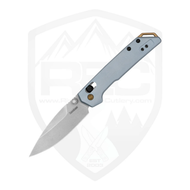
4 Things Not to Do with Your Folding Kershaw Knives
Posted by River's Edge Cutlery on 21st Sep 2026
There are fixed Kershaw knives, but by and large the brand is revered for its folders. Models like the Blur, Leek and Iridium are respected as some of the most popular folding knives in the industry. Plus, this is the brand that pioneered assisted opening for the entire knife industry. It’s safe to say Kershaw is an icon in the corner for folding knives.
Now, having broached that concept, it is the case that folding knives need some special care and attention that you don’t necessarily need to pay to fixed blades. Specifically, here are 4 things you won’t want to do with your folding Kershaw knives (or any folding knives, for that matter).
Don’t Throw Them
This is faux pas number one for folding knives. Never throw them. There are some who call folders “pre-broken” and you’ll just be feeding them ammo if you ever get caught throwing a folding knife.
Actually, this advice extends to fixed blades that aren’t intended for throwing, too. You see, one of the things that makes a throwing knife a throwing knife in the first place is a special temper. Specifically, most throwing knives are made with softer blades or heat treatments that enable them to absorb the shock of impact when they are thrown at a target.
Now, the problem here is that most Kershaw knives (and most pocket knives in general) are given a heat treatment that enables them to hold an edge for longer. This is the exact opposite of what you want in a throwing knife. It makes the folder in question harder and more brittle, and therefore more likely to snap when thrown at a target.
Add to this the fact that it places immense stress on a folding knife lock when you throw it. You’re likely to damage the lock even if you don’t damage the blade, and even more likely to damage both.
Let alone the fact that most folding knives intended to be carried as pocket knives do not balance well and are very handle-heavy. They will not perform well as throwers, so don’t even try.
Don’t Baton with Them
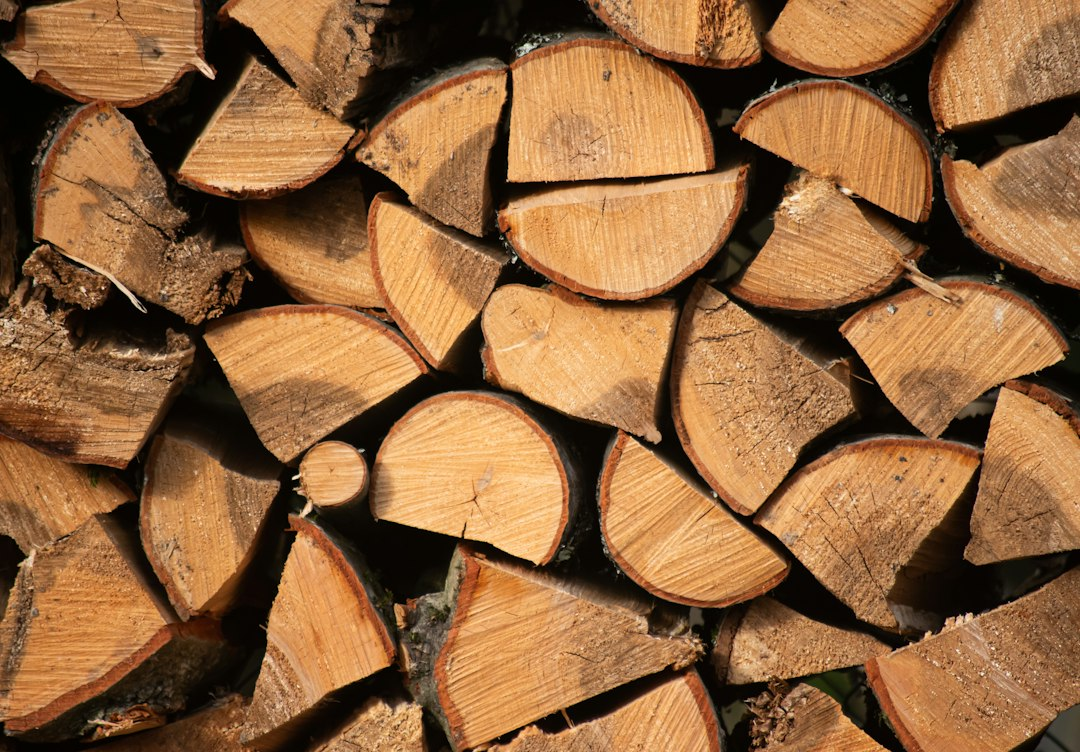
Batoning is the process of using a knife’s blade as a wedge to separate two pieces of material, typically a round or a partial round of wood. You place the edge into the end grain and use another tool to hammer (or “baton”, hence the name) the blade through it, until it splits.
This can be a very practical use for a fixed blade knife with a full tang, especially in the absence of a more fitting tool like an ax or a hatchet. But it is an absolute no-go with a folding knife. That means it’s off-limits for your folding Kershaw knives.
The blade of a folder may well be able to tolerate use as a baton, unlike as a throwing knife, but the lock certainly cannot. We don’t care what the lock type is. There is no folding lock type that is tough enough to withstand batoning and there likely never will be one.
This is especially true of lock types like frame locks and liner locks, which can easily be deformed by the pressure that’s placed on them when the spine of the knife is struck in an open and locked position.
Just trust us and take our word for it. Do not baton with your folding knife, whether it’s a Kershaw or otherwise.
Don’t Pry with Them
It’s a good idea not to pry with a knife, either, and this doesn’t just apply to folding knives. Some blade profiles are better equipped to handle stress applied to the tip than others, but as a general rule, you’re likely to snap the tip clean off if you try, especially if you force it.
Also, this is an issue of locking design here as well. Folding knives will experience immense stress at the locking mechanism if you use them as pry tools. So, if you must pry, use a dedicated pry tool and save your knife.
Don’t Put Them Away Wet or Dirty
Lastly, putting away a Kershaw knife if it has a wet or a dirty blade is asking for trouble. Many Kershaw knives are made with steel alloys that are high in carbon and therefore likely to rust if they are put away wet.
Get in the (proper) habit of wiping your blade clean before you store it and never put it away if it is wet. Also, it’s a good idea to periodically oil the blade and pivot point from time to time, not just to protect against corrosion, but to keep everything moving smoothly.
Pick Up Some New Kershaw Knives Here Today
Hopefully you found these suggestions actionable and have some renewed insight into how not to treat your folding knives, whether they’re stamped “Kershaw” or otherwise. But if you’re here because you’re looking into getting some new Kershaw knives, shop our collection and if you have any questions or would like a recommendation, get in touch with us and we will be more than happy to help.